

A problem that takes four hours to acknowledge feels very different from one acknowledged in fifteen minutes, even if both take the same time to fix.
The hidden costs of slow support
– Lost productivity: people wait, work around problems, or give up
– Cascading delays: one blocked employee holds up others
– Customer impact: if staff can’t serve customers, revenue suffers
– Workarounds and shadow IT: frustrated users find their own fixes, some of them risky
– Morale: feeling ignored erodes trust in IT and in management
– Security exposure: an unreported or unaddressed suspicious email can become a breach
Response vs. resolution
– Response time: how fast someone acknowledges and begins working
– Resolution time: how fast the problem is fixed
Fast response matters because it reduces uncertainty. Knowing someone is working on it changes how people behave.
Where speed matters most
– Outages affecting many users
– Security incidents
– Systems used for customer service or sales
– Month-end or peak business periods
What to look for in a provider
– Written response targets by priority, with measured results
– Live answers during business hours, not just voicemail
– After-hours coverage for critical issues
– Proactive monitoring, so problems are often found before users notice
– Escalation paths for urgent issues
Measure it
Ask for monthly reports showing average response and resolution times, and review them.
Set the right expectations
Not everything is urgent. A good provider helps you define priorities, so true emergencies get immediate attention.
DBR Soft publishes response targets and reports on them regularly. Contact us for more information.
-
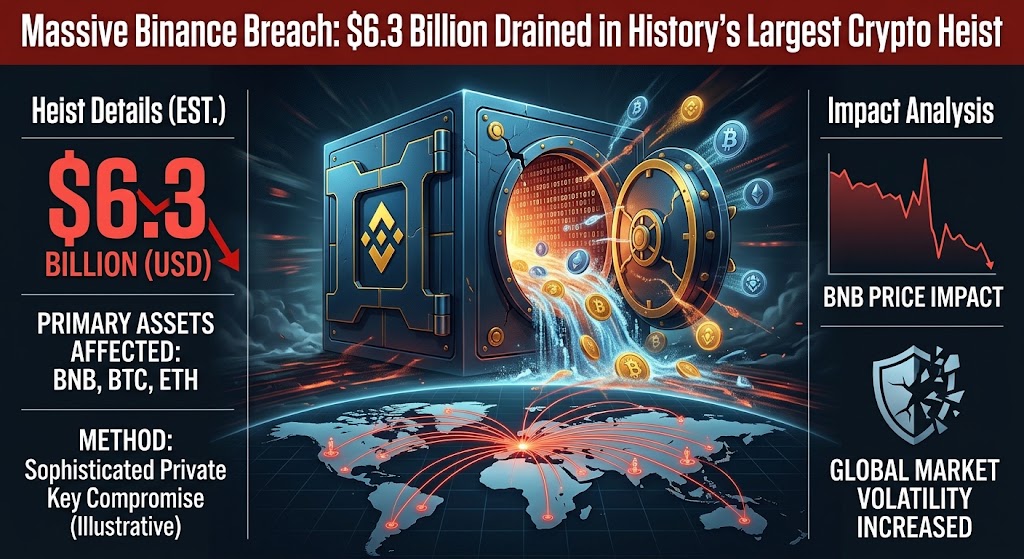
Massive Binance Breach: $6.3 Billion Drained in History’s Largest Crypto Heist
Binance has halted all user withdrawals following a devastating “complex attack” that drained approximately $6.3…
-

Epic Games Goes All-In on AI Acceleration for Fortnite and Unreal Engine 6
CHICAGO — Epic Games is no longer just experimenting with artificial intelligence; they are rewriting…
-
The Dawn of Optical Computing: How Akhetonics is Building the First All-Optical Processor
As artificial intelligence, quantum computing, and massive data centers push the limits of modern technology,…

Leave a Reply