
Category: Hardware
-
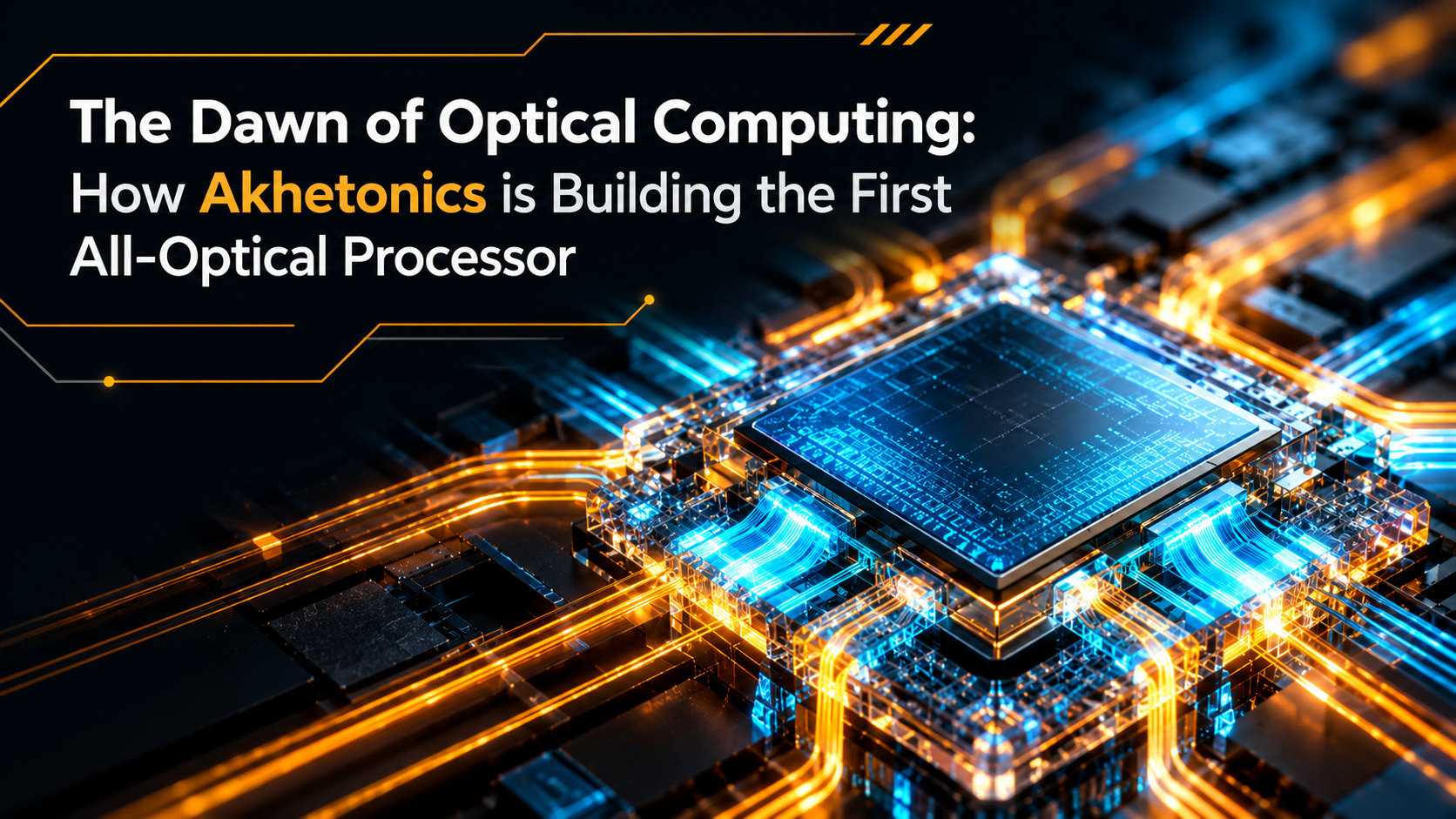
As artificial intelligence, quantum computing, and massive data centers push the limits of modern technology, traditional hardware is running into a physical wall. Silicon-based electronic chips are struggling with overheating, massive energy consumption, and electronic latency. Enter Akhetonics, a Berlin-based hardware startup that is flipping the script on computing. Instead of using electrons moving through…
-

“Right to repair” means the ability of owners and independent technicians to fix products, with access to parts, tools, manuals, and software. Why it’s in the news Many devices have been designed with glued batteries, soldered memory, and restricted parts, which makes repairs expensive and shortens life. Governments in several regions, including the European Union,…
-

Apple devices are no longer just for creative teams. Many businesses now issue Macs, iPhones, and iPads alongside Windows PCs. Why organizations choose Apple – Employee preference can help with recruitment and satisfaction – Apple silicon offers strong performance and battery life – Long software support for devices – Security features such as built-in encryption…
-

Trade policy between Canada and the United States has shifted repeatedly since 2025. IT hardware is affected in some ways that are direct, and others that are indirect. This is general information, not trade or legal advice. Rules are complex and change quickly. Where things stand (as of October 2026) – CUSMA review: the formal…
-

Hardware pricing in 2026 is being shaped less by consumer demand than by the AI data center boom. What’s happening Memory makers have shifted capacity toward high-margin chips for AI servers, such as high-bandwidth memory and server DDR5. That leaves less supply of the standard DRAM and flash storage used in laptops, desktops, and ordinary…
-

Technology has an environmental footprint, from manufacturing to disposal. Businesses can reduce it while often saving money. Buy smarter – Choose efficient devices. Look for certifications such as ENERGY STAR and EPEAT. – Pick durable, repairable models with replaceable batteries, RAM, and storage. – Right-size equipment. Oversized servers and unused devices waste energy. – Consider…
-

Global shortages, shipping disruptions, and demand spikes have made hardware availability less predictable. Planning ahead is cheaper than scrambling. Why delays happen – Component shortages (chips, memory, and others) – Surges in demand following product launches or end-of-support deadlines – Shipping and logistics disruptions – Trade policy and tariff changes – Manufacturing issues at suppliers…
-

Hardware-as-a-Service (HaaS) bundles devices, support, and often lifecycle management into a monthly fee. How it works A provider supplies the hardware, deploys it, supports it, and replaces it at set intervals, typically every three to four years. You pay a predictable monthly charge per device. Advantages – Predictable budgeting with no large capital expenditure –…
-
Refurbished IT equipment can offer real savings, but quality varies widely. What “refurbished” should mean Equipment that has been tested, repaired if needed, cleaned, and restored to working condition by a reputable reseller or the manufacturer. It’s different from “used” equipment sold as-is. Benefits – Lower cost, often substantially below new – Reduced e-waste and…
-

When a drive reaches the end of its life, you have two main options for protecting the data on it. Software wiping (data erasure) Overwrites data so it can’t be recovered, using recognized standards. Many tools also generate a verification report. – Pros: the drive can be reused or resold; produces an audit record –…