

Technology forecasting is hard, even for experts. A look at well-known misses offers useful habits for business planning.
Predictions that missed
“Spam will be solved in two years.” At the World Economic Forum in 2004, Bill Gates predicted that spam would be eliminated within two years. Two decades later, email filtering is a major industry and phishing is a leading attack method.
“The iPhone won’t catch on with business.” In a widely reported 2007 interview, Microsoft’s then-CEO Steve Ballmer dismissed the iPhone’s price and predicted it would not gain significant market share. Smartphones went on to reshape business computing.
“The paperless office is coming.” Writers in the 1970s predicted that computers would soon eliminate paper. Office paper use actually grew for decades afterward, and many businesses still print.
“The death of the password.” Leaders at major technology companies have declared passwords dead for more than twenty years. Passkeys are now finally making progress, but passwords remain widespread.
“Everyone will work in the metaverse.” Around 2021 and 2022, companies invested heavily in virtual-reality workplaces. Business adoption fell far short of the early enthusiasm, though niche uses in training and design continue.
“3D printers in every home.” Predictions of household manufacturing didn’t materialize, though industrial and prototyping uses grew steadily.
Why forecasts fail
– Adoption is slower than invention. Habits, budgets, and compatibility slow change.
– Hype cycles: early enthusiasm outruns real use, then settles into steady, useful growth.
– Incentives: forecasters often sell the technology they predict.
– Hidden obstacles: security, regulation, cost, and skills.
– Surprise winners: the biggest changes often come from unexpected directions.
Habits for business leaders
1. Buy solutions to current problems, not predictions
2. Pilot before you commit
3. Look for evidence in similar companies’ results, not vendor claims
4. Keep options open: avoid deep lock-in to unproven bets
5. Invest in fundamentals: security, backups, identity, and trained people don’t go out of fashion
6. Revisit assumptions yearly
A fair note
Predictions about AI, quantum computing, and other trends in this article series may also prove too optimistic or too cautious. Treat them as planning inputs, not certainties.
DBR Soft helps you separate durable investments from hype. Contact us for more information.
-
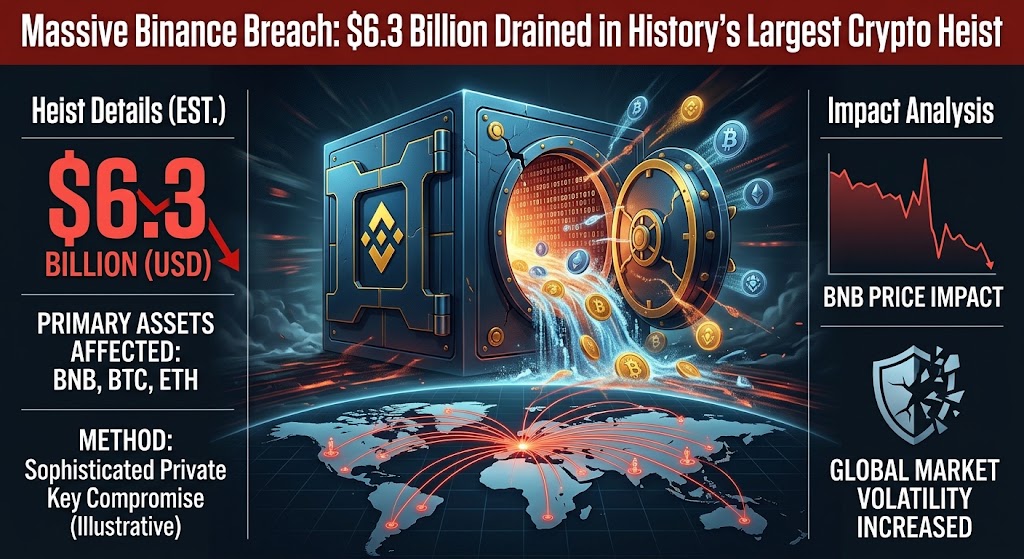
Massive Binance Breach: $6.3 Billion Drained in History’s Largest Crypto Heist
Binance has halted all user withdrawals following a devastating “complex attack” that drained approximately $6.3…
-

Epic Games Goes All-In on AI Acceleration for Fortnite and Unreal Engine 6
CHICAGO — Epic Games is no longer just experimenting with artificial intelligence; they are rewriting…
-

The Dawn of Optical Computing: How Akhetonics is Building the First All-Optical Processor
As artificial intelligence, quantum computing, and massive data centers push the limits of modern technology,…

Leave a Reply