

Trade policy between Canada and the United States has shifted repeatedly since 2025. IT hardware is affected in some ways that are direct, and others that are indirect.
This is general information, not trade or legal advice. Rules are complex and change quickly.
Where things stand (as of October 2026)
– CUSMA review: the formal joint review of the Canada–United States–Mexico Agreement began July 1, 2026. The U.S. did not agree to a 16-year extension, which means annual reviews now continue. Existing exemptions and rules of origin remain in effect during the review.
– U.S. tariffs on Canadian goods: in August 2026, after trade talks broke down, the U.S. imposed 50% tariffs on a range of Canadian goods under a rarely used trade provision.
– Canada’s response: Canada announced dollar-for-dollar counter-tariffs on about C$27.6 billion of U.S. imports. They took effect September 8, 2026, at rates of 15%, 25%, or 50% depending on product. Categories include steel and aluminum, appliances, pulp and paper, and certain electronics (reported examples include smartphones, monitors, and game consoles).
– Support: Canada also announced a C$7.5 billion support package for affected workers and businesses.
What this means for IT buyers
– The counter-tariffs apply to U.S.-origin goods. Most laptops, desktops, and servers sold in Canada are manufactured in Asia, so direct exposure depends on the specific product’s country of origin and tariff classification.
– Some U.S.-made items may cost more, including certain peripherals, displays, networking gear, or components.
– Indirect effects include currency changes, shipping costs, and suppliers building a risk premium into pricing.
– Software and cloud subscriptions are generally not subject to goods tariffs, though vendors may adjust prices for other reasons.
– Memory shortages are currently a larger driver of hardware price increases than tariffs (see our article on semiconductor and memory pricing).
How to plan
1. Ask your reseller for the country of origin on major purchases
2. Get quotes with validity periods, and clarify who carries tariff risk
3. Include a contingency in hardware budgets
4. Consider alternative models or brands if a specific product is affected
5. Avoid emergency purchases by following your lifecycle plan
6. Watch for updates, since policy may change with little notice
Sources:
https://www.international.gc.ca/trade-commerce/trade-agreements-accords-commerciaux/agr-acc/cusma-aceum/joint-review-examen-conjoint.aspx?lang=eng
https://carleton.ca/npsia/wp-content/uploads/sites/77/2026/07/BEYOND-RENEWAL_July-3-2026.pdf
https://www.canada.ca/en/department-finance/news/2026/08/list-of-products-from-the-united-states-subject-to-counter-tariffs-effective-september-8-2026.html
https://www.cbsa-asfc.gc.ca/publications/cn-ad/cn26-23-eng.html
DBR Soft’s procurement team can advise on pricing risk and sourcing options. Contact us for more information.
-
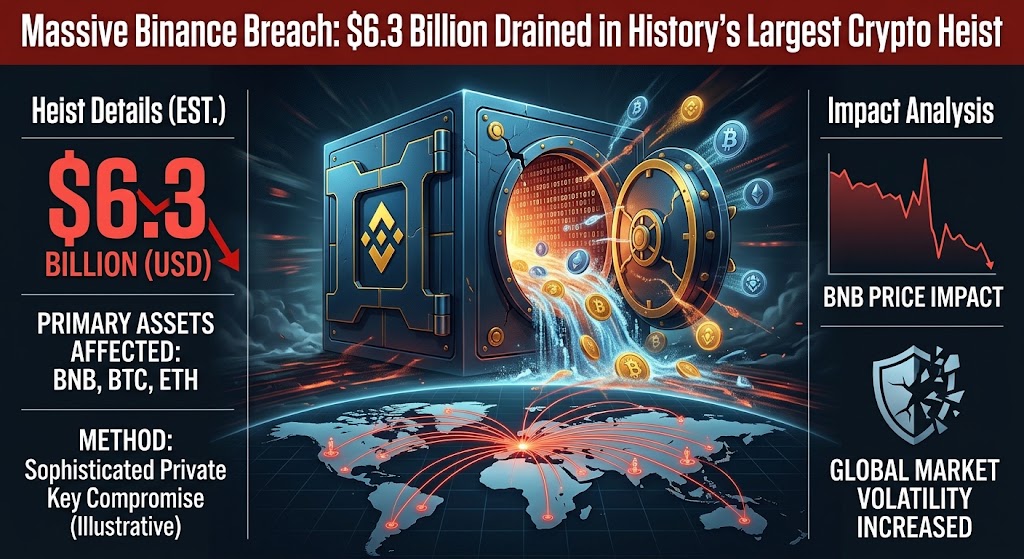
Massive Binance Breach: $6.3 Billion Drained in History’s Largest Crypto Heist
Binance has halted all user withdrawals following a devastating “complex attack” that drained approximately $6.3…
-

Epic Games Goes All-In on AI Acceleration for Fortnite and Unreal Engine 6
CHICAGO — Epic Games is no longer just experimenting with artificial intelligence; they are rewriting…
-

The Dawn of Optical Computing: How Akhetonics is Building the First All-Optical Processor
As artificial intelligence, quantum computing, and massive data centers push the limits of modern technology,…

Leave a Reply