Both platforms can serve a business well. The right answer depends on your needs, not brand loyalty.
iPhone
– Consistency: a small range of models with long software support
– Updates: new iOS versions reach all supported devices at the same time
– Management: strong support in Intune and other MDM tools, including zero-touch enrollment through Apple Business Manager
– Security: a tightly controlled app ecosystem and strong built-in encryption
– Resale value: generally higher, which helps total cost
Android
– Choice: many manufacturers, price points, and form factors, including rugged models
– Flexibility: open customization and wide hardware variety
– Management: Android Enterprise provides work profiles, which separate business and personal data
– Cost: often lower upfront
– Updates: vary by manufacturer, so choose vendors with a strong update commitment
How to decide
1. What do staff already use? Familiarity reduces training and support.
2. What apps do you rely on? Check line-of-business app support on both.
3. Do you need specialty hardware? Rugged or scanner-equipped devices are mostly Android.
4. How will you manage them? Both work with Intune, but standardizing on one platform is simpler.
5. What does the carrier offer? Plans and trade-in programs can change the cost.
Whichever you choose
– Enroll devices in mobile device management
– Require a passcode and encryption
– Enable remote wipe
– Keep operating systems updated
– Set clear rules for app installation
DBR Soft supplies and manages mobile fleets on either platform. Contact us for more information.
-

Massive Binance Breach: $6.3 Billion Drained in History’s Largest Crypto Heist
Binance has halted all user withdrawals following a devastating “complex attack” that drained approximately $6.3…
-

Epic Games Goes All-In on AI Acceleration for Fortnite and Unreal Engine 6
CHICAGO — Epic Games is no longer just experimenting with artificial intelligence; they are rewriting…
-
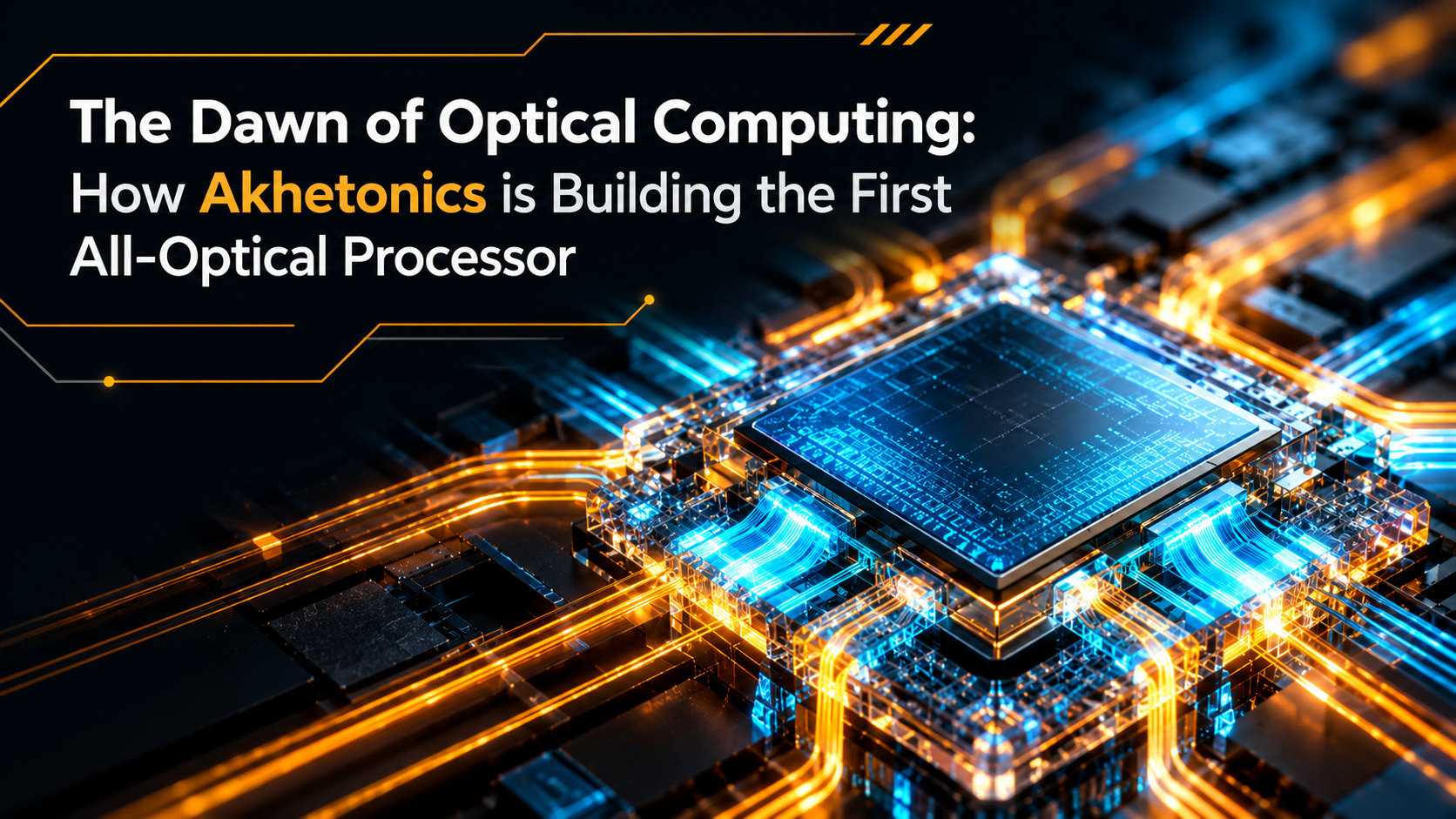
The Dawn of Optical Computing: How Akhetonics is Building the First All-Optical Processor
As artificial intelligence, quantum computing, and massive data centers push the limits of modern technology,…

Leave a Reply