
A firewall inspects traffic entering and leaving your network. Modern “next-generation” firewalls (NGFW) do much more than block ports.
Typical capabilities
– Intrusion prevention
– Web filtering and application control
– Malware scanning
– VPN connectivity
– SSL inspection
– Logging and reporting
Hardware appliances
Physical devices installed on-site. Predictable performance, mature, and widely used. Require licensing for security subscriptions and periodic replacement.
Virtual firewalls
Run as software in a hypervisor or cloud (Azure, AWS). Ideal for protecting virtual and cloud networks.
Cloud-managed firewalls
Physical devices managed through a cloud dashboard. Simplify multi-site deployments, updates, and policy management.
Cloud-delivered security (SASE/SSE)
Moves security functions into the cloud, protecting users wherever they are. Increasingly relevant as staff work remotely and apps move online.
How to choose
– Single office: appliance with security subscriptions
– Multiple sites: cloud-managed firewalls
– Heavy cloud use: virtual appliances or cloud-delivered security
– Remote workforce: consider SASE or zero trust solutions
Don’t forget
– Size for real throughput with security features on
– Keep firmware and subscriptions current
– Review rules regularly and back up configurations
DBR Soft supplies, configures, and manages firewalls for businesses of all sizes. Contact us for more information.
-
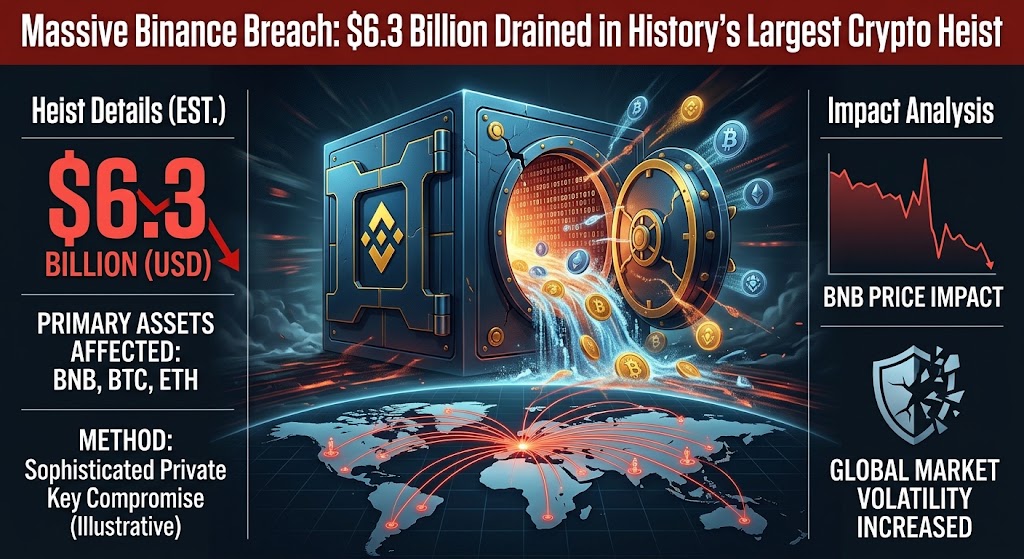
Massive Binance Breach: $6.3 Billion Drained in History’s Largest Crypto Heist
Binance has halted all user withdrawals following a devastating “complex attack” that drained approximately $6.3…
-

Epic Games Goes All-In on AI Acceleration for Fortnite and Unreal Engine 6
CHICAGO — Epic Games is no longer just experimenting with artificial intelligence; they are rewriting…
-
The Dawn of Optical Computing: How Akhetonics is Building the First All-Optical Processor
As artificial intelligence, quantum computing, and massive data centers push the limits of modern technology,…

Leave a Reply