
An ERP system integrates core business functions such as accounting, inventory, purchasing, sales, and manufacturing into one platform.
Signs you’ve outgrown spreadsheets
– Data is entered multiple times in different places
– Reports take days to compile and still contain errors
– Inventory counts don’t match reality
– Departments can’t see each other’s information
– Growth is creating bottlenecks
– Compliance or audit demands are increasing
What an ERP offers
– One source of truth across departments
– Real-time visibility into inventory, orders, and finances
– Automation of repetitive processes
– Better forecasting and planning
– Controls and audit trails
Challenges
– Cost: licensing, implementation, and customization
– Time: implementations take months
– Change management: staff must change how they work
– Data migration: cleaning and moving data is hard work
How to approach it
1. Define requirements, starting with your biggest pain points
2. Map your processes before picking software
3. Shortlist vendors that serve companies of your size and industry
4. Request demos using your real scenarios
5. Check the total cost, including implementation and support
6. Plan a phased rollout
7. Assign a strong internal project owner
Alternatives
Sometimes a better accounting package, inventory tool, or integrations are enough. Don’t buy an ERP for a problem a smaller tool solves.
Cloud ERP
Modern cloud ERPs reduce infrastructure burdens and bring costs within reach of mid-sized businesses.
DBR Soft can help you evaluate whether ERP is the right step and support the technology behind it. Contact us for more information.
-
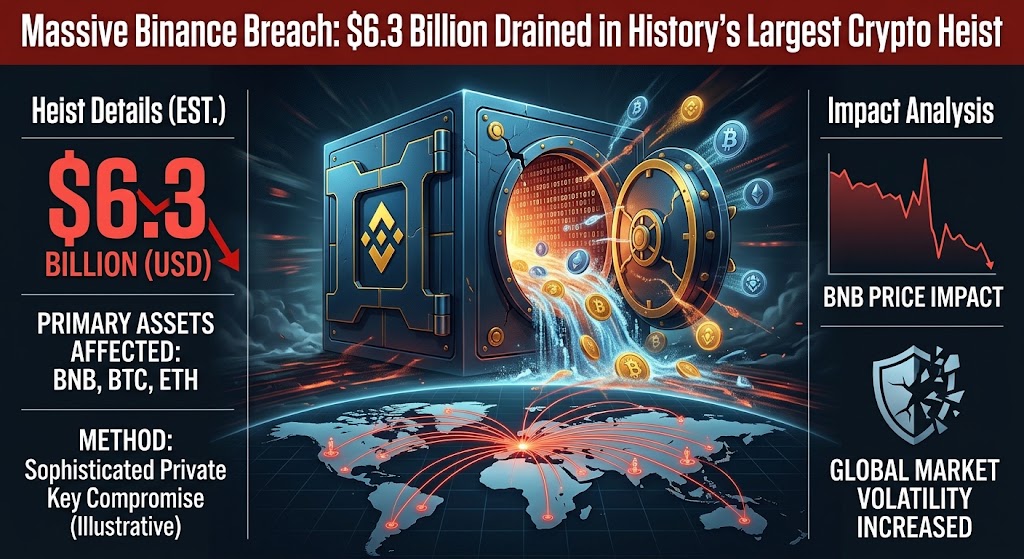
Massive Binance Breach: $6.3 Billion Drained in History’s Largest Crypto Heist
Binance has halted all user withdrawals following a devastating “complex attack” that drained approximately $6.3…
-

Epic Games Goes All-In on AI Acceleration for Fortnite and Unreal Engine 6
CHICAGO — Epic Games is no longer just experimenting with artificial intelligence; they are rewriting…
-
The Dawn of Optical Computing: How Akhetonics is Building the First All-Optical Processor
As artificial intelligence, quantum computing, and massive data centers push the limits of modern technology,…

Leave a Reply