“Bring your own device” (BYOD) sounds like savings. But the full picture is more complicated.
BYOD: advantages
– Lower hardware spending
– Employees use devices they prefer
– Fewer devices for people to carry
BYOD: risks
– Security: you don’t control the device’s patching, apps, or other users
– Data separation: business and personal data mix
– Support burden: many models and operating system versions
– Offboarding: removing company data from a personal device is harder
– Legal and privacy: monitoring personal devices raises privacy issues, particularly under Quebec’s Law 25
Company-owned: advantages
– Full control over configuration, encryption, and updates
– Standard models simplify support
– Easy remote wipe and recovery
– Clear policy and ownership
Company-owned: drawbacks
– Higher upfront cost
– Staff carry a personal and a work device
– Lifecycle management responsibility
Middle ground options
– COPE (corporate-owned, personally enabled): the company owns the device and allows limited personal use
– BYOD with app protection: use Intune app protection policies to secure work apps and data without taking over the whole device
Recommendations
– Use company-owned devices for laptops and anyone handling sensitive data
– Allow BYOD for phones with app protection, if appropriate
– Write a clear policy covering security requirements, support, privacy, and what happens when staff leave
DBR Soft can help you design and implement a device policy that balances cost and security. Contact us for more information.
-

Massive Binance Breach: $6.3 Billion Drained in History’s Largest Crypto Heist
Binance has halted all user withdrawals following a devastating “complex attack” that drained approximately $6.3…
-

Epic Games Goes All-In on AI Acceleration for Fortnite and Unreal Engine 6
CHICAGO — Epic Games is no longer just experimenting with artificial intelligence; they are rewriting…
-
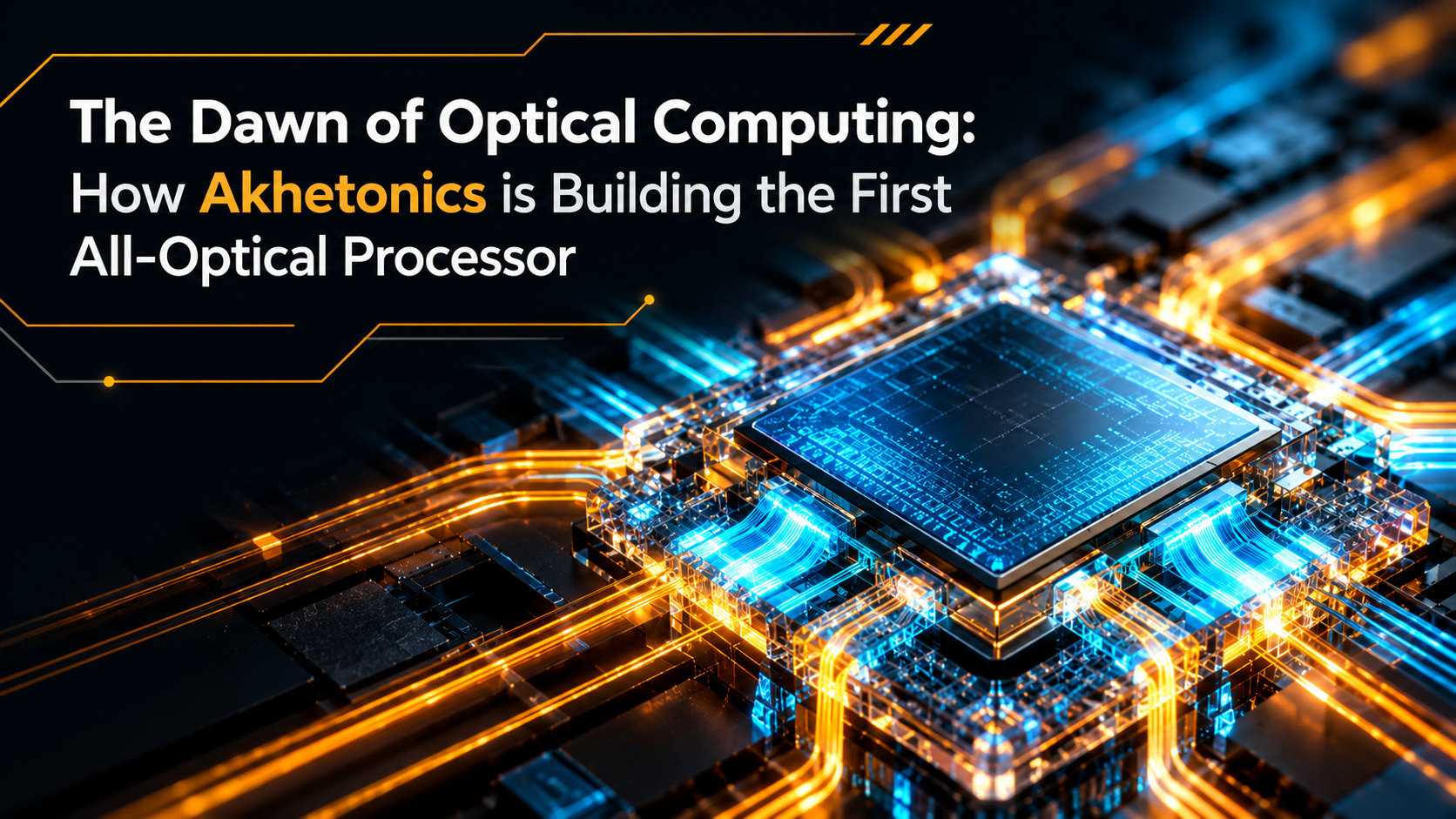
The Dawn of Optical Computing: How Akhetonics is Building the First All-Optical Processor
As artificial intelligence, quantum computing, and massive data centers push the limits of modern technology,…

Leave a Reply