
A blockchain is a shared, tamper-evident record kept across multiple parties, with no single owner who can quietly change history.
Where it can add value
– Supply chain traceability: tracking goods, origin, and handling across multiple companies
– Provenance and authenticity: proving that a document, product, or digital asset is genuine. Gartner lists digital provenance among its 2026 strategic trends.
– Trade finance and settlement: reducing reconciliation between institutions
– Credential verification: diplomas, licenses, and certifications
– Tokenized assets and payments in regulated settings
– Audit logs that must be provably unaltered
When it’s the wrong tool
– A single organization controls the data (a normal database is simpler and cheaper)
– Participants trust a central authority
– Data needs to be changed or deleted frequently, which can conflict with privacy rights
– Speed and scale needs exceed the platform
Questions to ask before investing
1. Do multiple parties need to share and trust the same data?
2. Is there no neutral party all of them would accept to run it?
3. Would a traditional database with good auditing be enough?
4. Who governs the network, and who pays for it?
5. How will personal data be handled, given privacy laws?
6. What’s the exit plan if the platform fails?
Risks
– Hype exceeds substance in many projects
– Integration and governance are hard
– Smart contract bugs and security flaws
– Regulatory uncertainty
– Energy and cost, depending on the technology
Practical advice for small businesses
You’re most likely to encounter blockchain as part of a supplier’s or customer’s system, such as a traceability platform. Evaluate it on business benefits and security, not buzzwords.
DBR Soft can help you separate genuine use cases from hype. Contact us for more information.
-
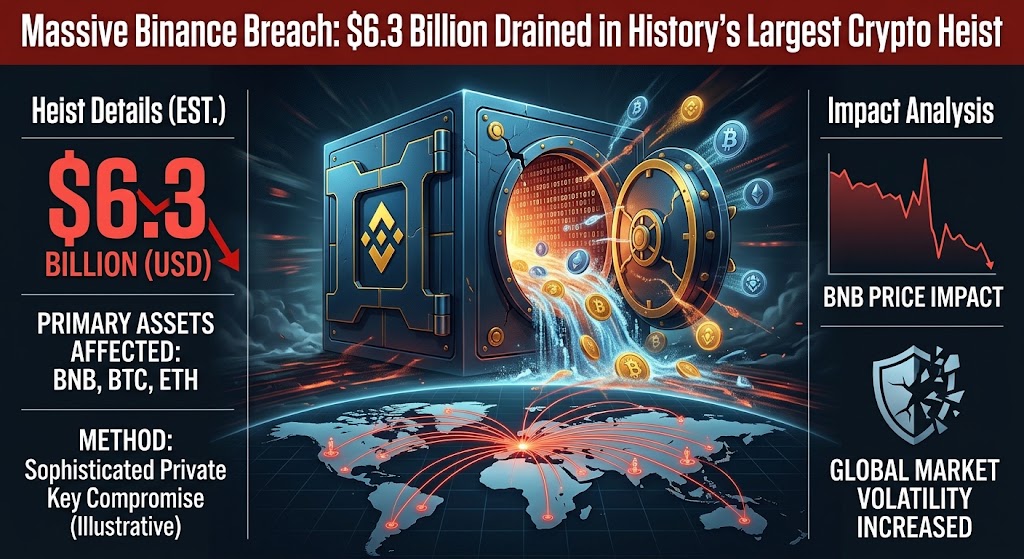
Massive Binance Breach: $6.3 Billion Drained in History’s Largest Crypto Heist
Binance has halted all user withdrawals following a devastating “complex attack” that drained approximately $6.3…
-

Epic Games Goes All-In on AI Acceleration for Fortnite and Unreal Engine 6
CHICAGO — Epic Games is no longer just experimenting with artificial intelligence; they are rewriting…
-
The Dawn of Optical Computing: How Akhetonics is Building the First All-Optical Processor
As artificial intelligence, quantum computing, and massive data centers push the limits of modern technology,…

Leave a Reply